12 hr
Masada, Ein Gedi & Dead Sea Day Trip
Journey through the Judean Desert to ancient fortresses, desert springs, and the lowest point on Earth
Reserve
Tel Aviv's oldest spice quarter, where Persian saffron meets Yemenite hilbeh
Hand-picked by our editors — only the best 4 culinary experiences from 11 reviewed.
Verified partners for Levinsky Market Food tours, free cancellation where available, and instant confirmation on every booking.
12 hr
Journey through the Judean Desert to ancient fortresses, desert springs, and the lowest point on Earth
Reserve
10 hr
Journey to an ancient clifftop fortress and float in the world's saltiest waters on this guided excursion
Reserve
10 hr
Journey through 3,000 years of history across Jerusalem's sacred quarters, ancient streets, and holy sites
ReservePrices from verified partners. Availability updates in real time at checkout. Free cancellation policies apply where shown.
The landmarks, rooms, and views travelers on Levinsky Market Food tours remember — all visible on a single visit.
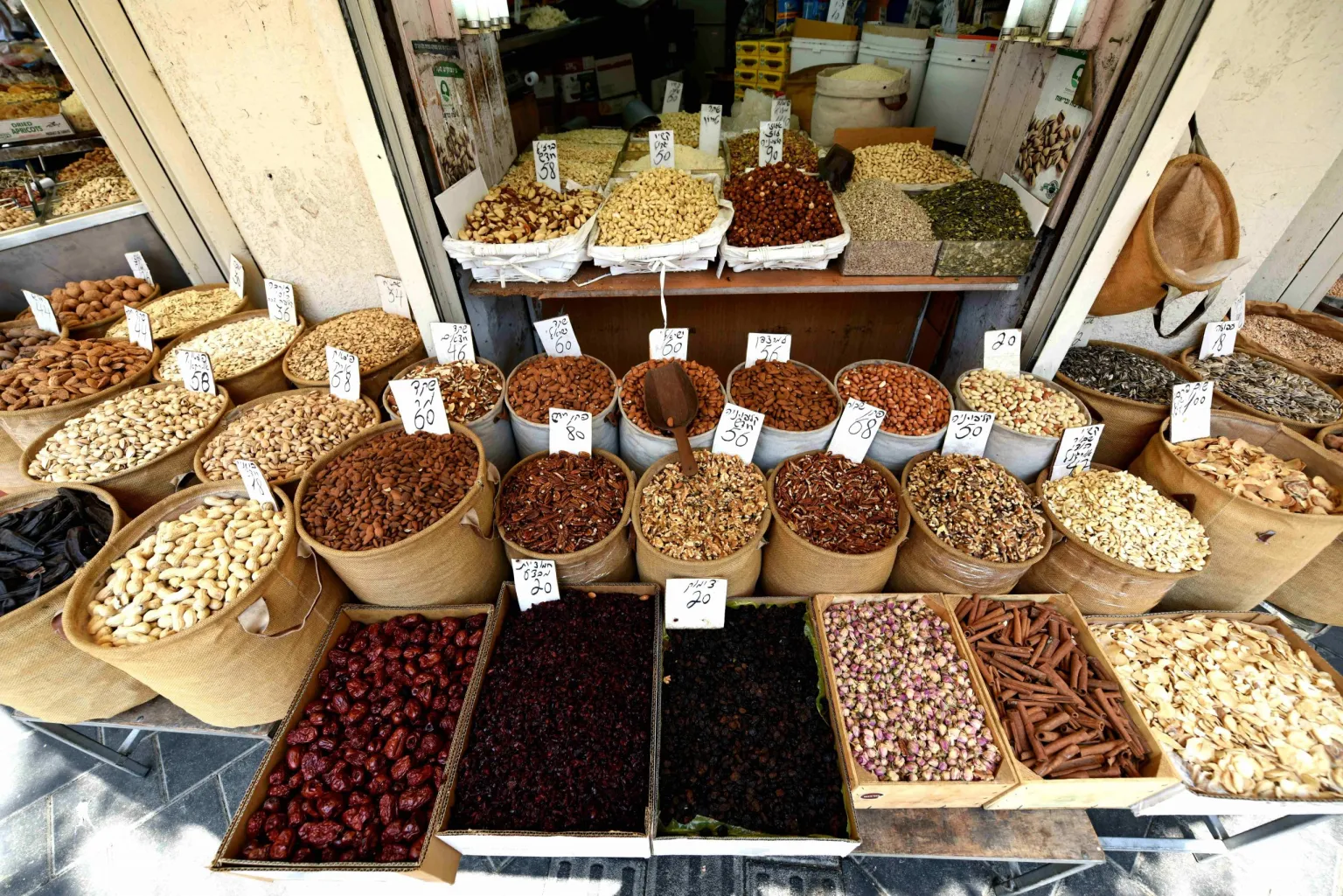
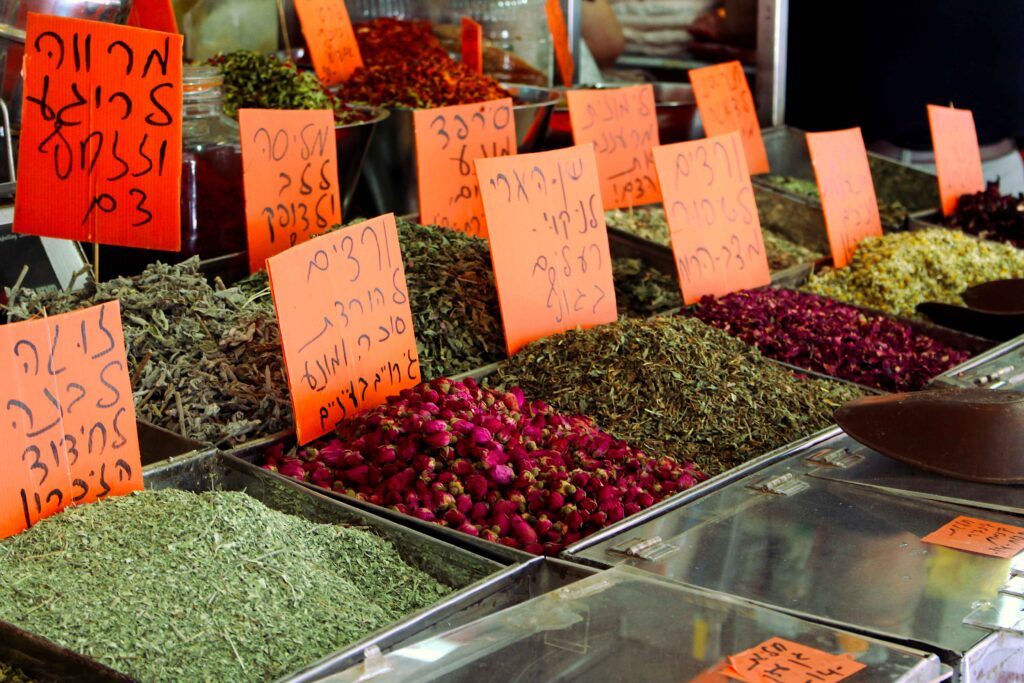
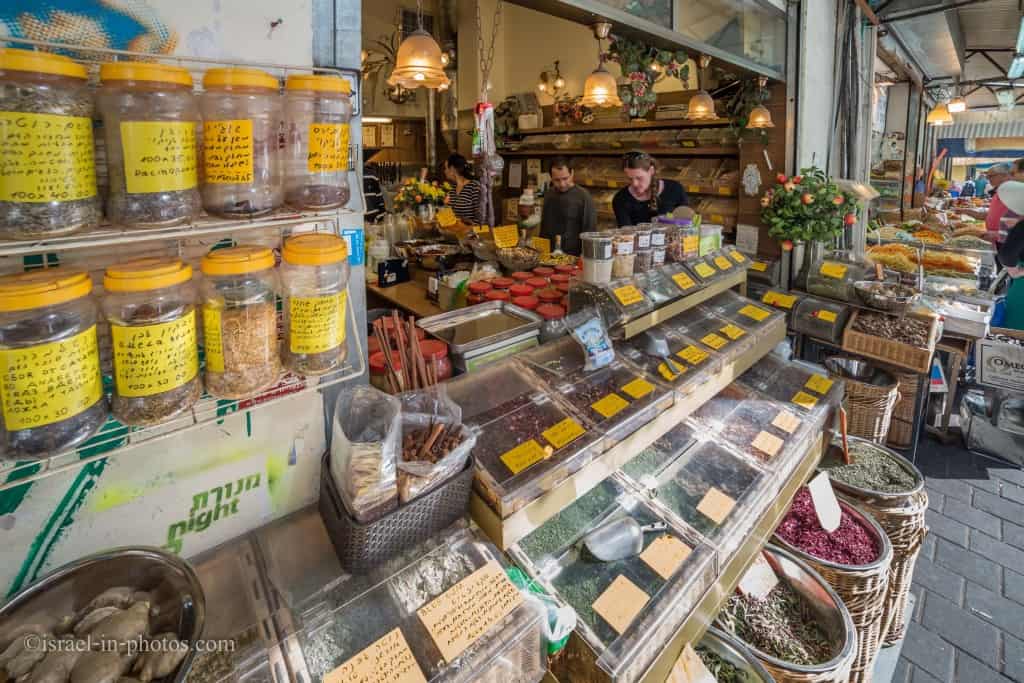
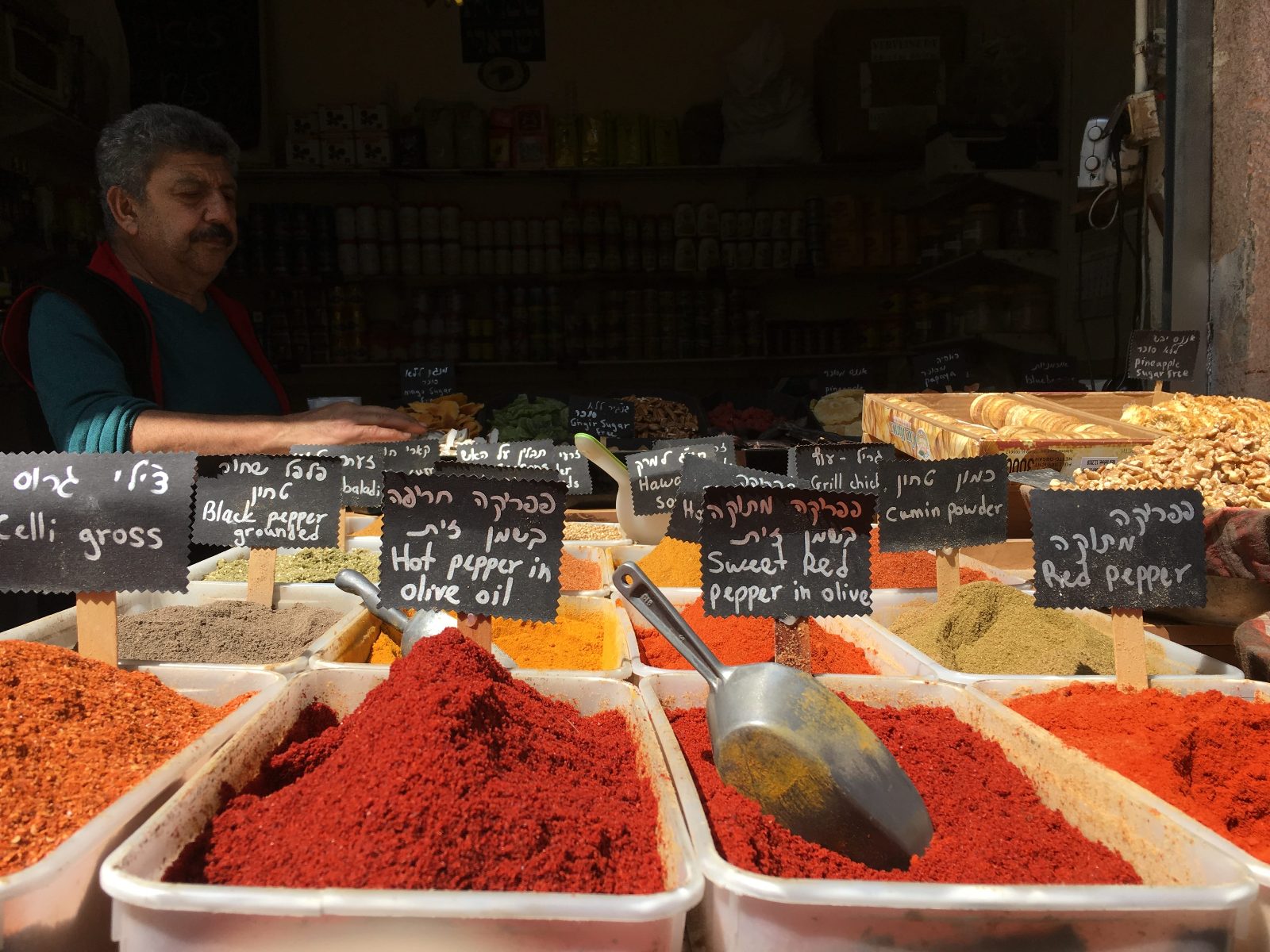
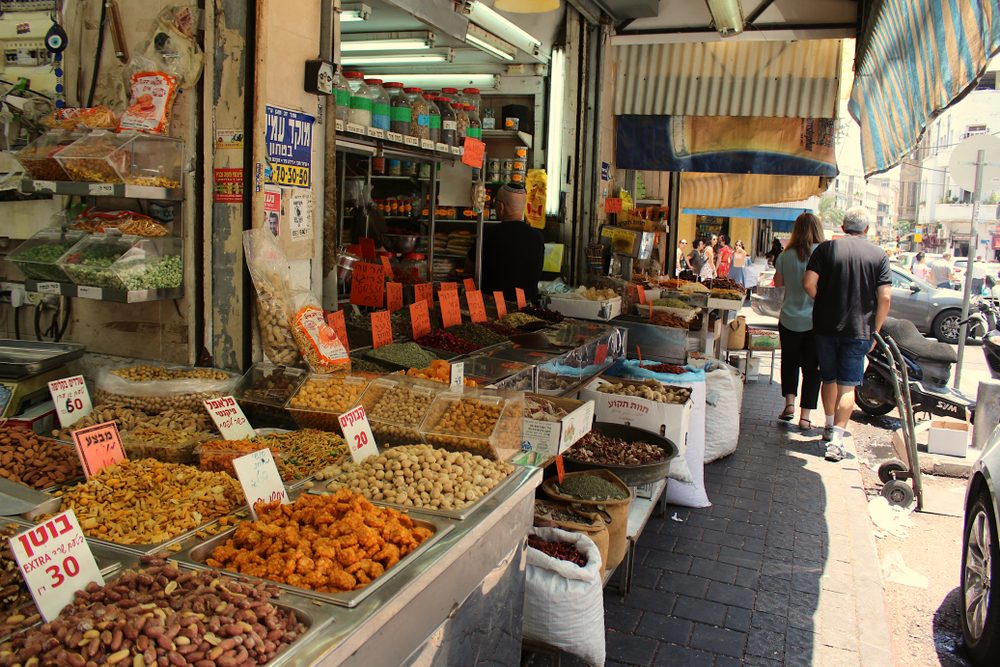
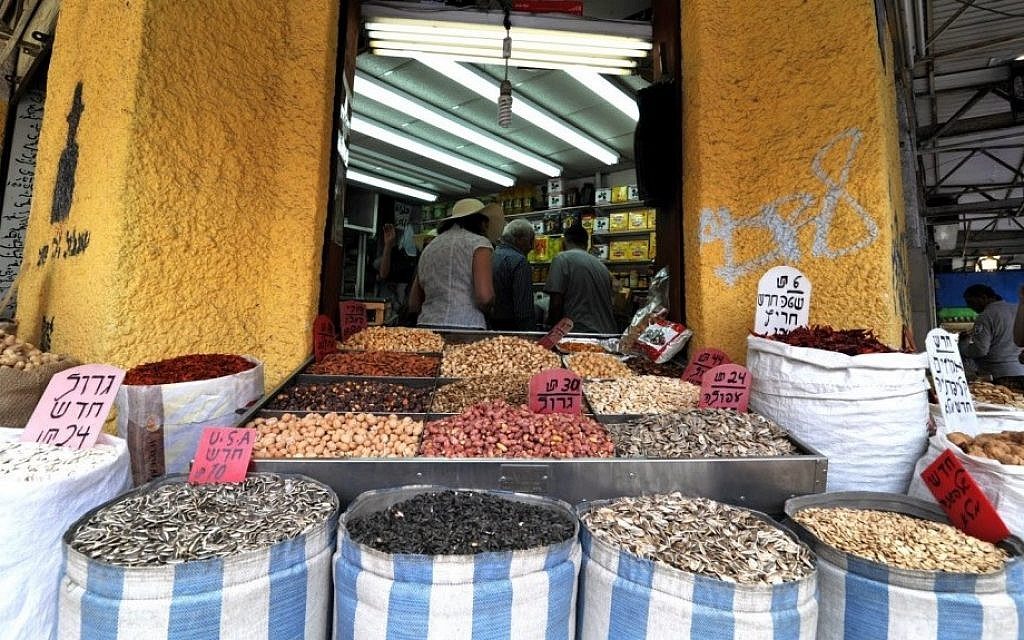
This section features aromatic sacks of dried spices and herbs from around the world. It is the heart of every levinsky market food tour.
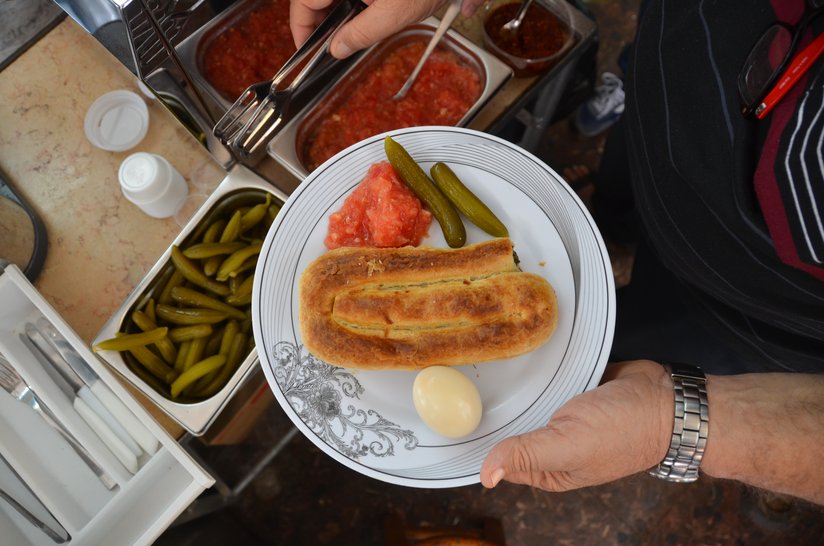
Famous for flaky, savory pastries filled with cheese or potatoes. These stalls often have lines during a levinsky market food tour.
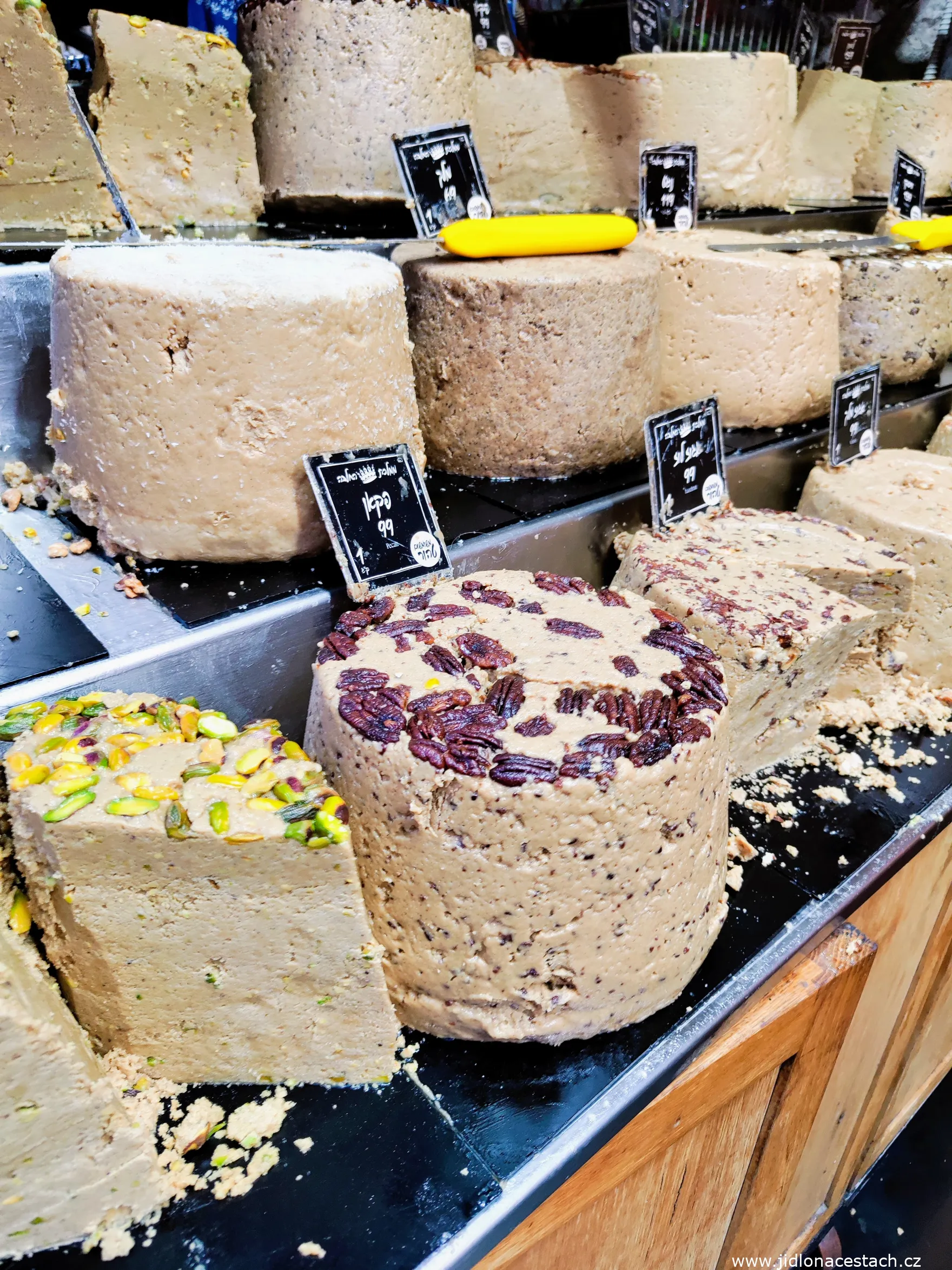
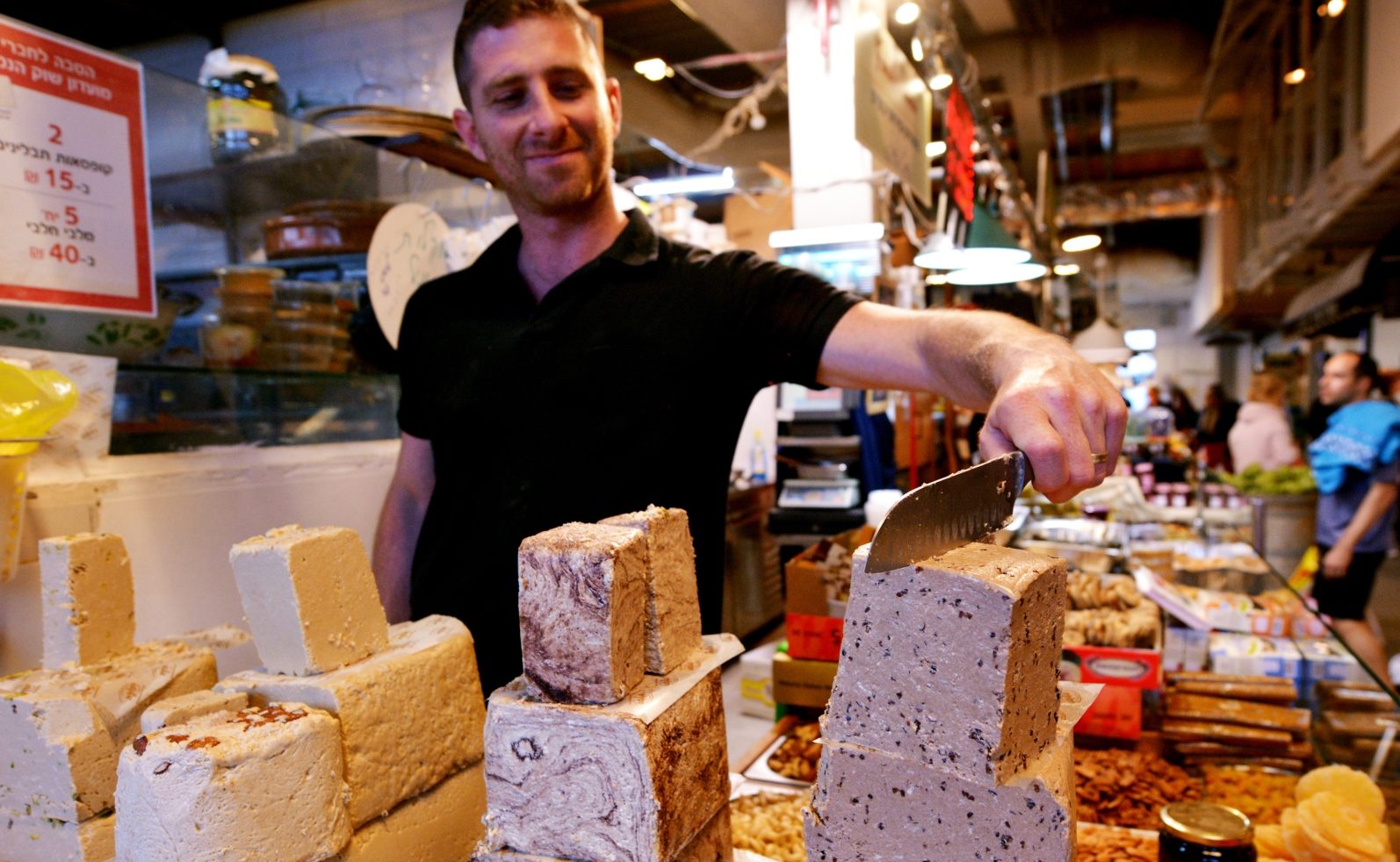
These artisanal shops produce sesame-based sweets in a variety of traditional and modern flavors. Many samples are provided on a levinsky market food tour.
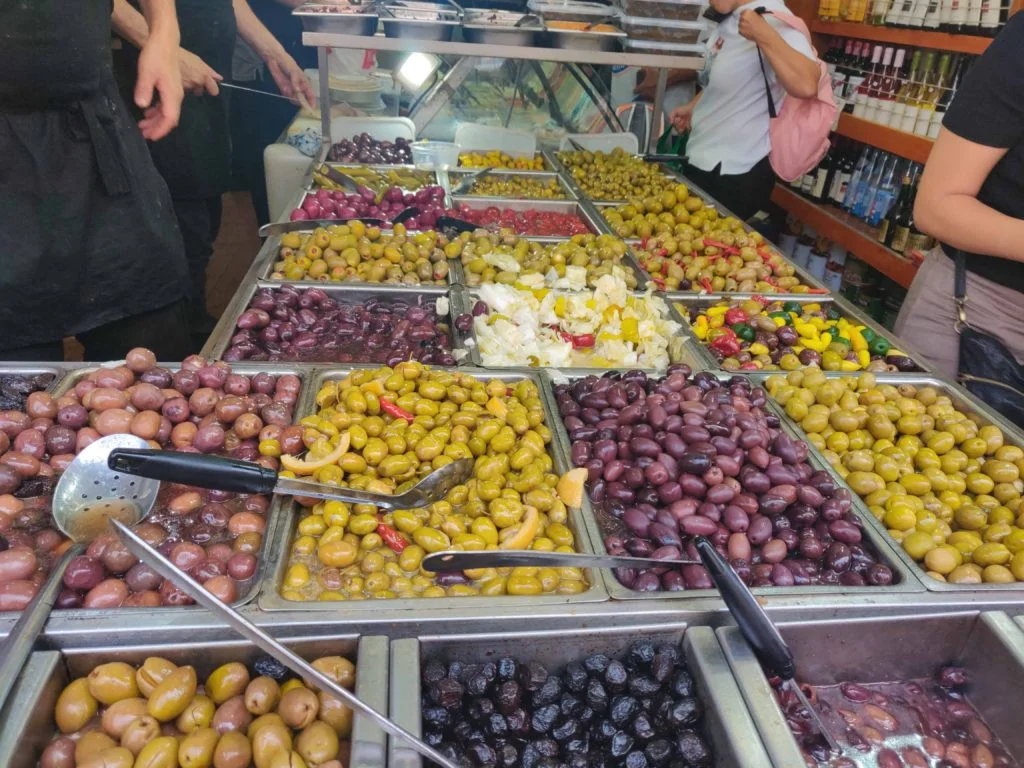
Local vendors display barrels of fermented vegetables and specialty brined items. These are iconic staples of the market.
Stalls offering dried blossoms and medicinal tea blends used for traditional remedies. A highlight for visitors on a levinsky market food tour.
Every Levinsky Market Food tour side-by-side — duration, what's included, how you redeem.
| Experience | Duration | Rating | Transfers | Skip-the-line | Guide | Small group | Price | |
|---|---|---|---|---|---|---|---|---|
|
Guided Experience Most popular
Masada, Ein Gedi & Dead Sea Day Trip
|
12 hr | ★ 4.2 | ✓ | ✓ | ✓ | ✓ | €86 | Book → |
|
Guided Experience
Masada & Dead Sea Day Trip from Tel Aviv
|
10 hr | ★ 4.5 | ✓ | ✓ | ✓ | ✓ | $125 | Book → |
|
Guided Experience
Jerusalem Full-Day Discovery from Tel Aviv
|
10 hr | ★ 4.3 | ✓ | ✓ | ✓ | ✓ | $95 | Book → |
All prices from verified partners. Availability and exact terms confirmed at checkout.
They complement each other; most visitors who do both call the Levinsky market food tour the more intimate experience, while Carmel Market offers a higher energy atmosphere. Booking a Tel Aviv food tour provides access to curated local flavors in either neighborhood, though levinsky market food tour tours offer a deeper dive into heritage ingredients.
| Feature | Top pick Levinsky Market | Carmel Market |
|---|---|---|
Market Vibe |
Intimate and neighborhood-focused | High-energy and bustling |
Core Culinary Focus |
Spices, nuts, and boutique bakeries | Street food, fresh produce, and clothing |
Crowd Density |
Moderate and manageable | Very high and chaotic |
Authenticity Level |
High; locally frequented | Mixed; heavy tourist presence |
Tour Pace |
Relaxed and steady | Fast-paced and dense |
Access |
Requires levinsky market food tour tickets | Walk-in or levinsky market food tour tour |
| See tickets → |
Verdict: Choose Levinsky for specialized ingredients and a slower pace, or select Carmel if you prefer the classic, high-volume energy of a bustling city landmark.
Choose your ticket, select your date, and reserve in under two minutes. Secure checkout handled by our verified partner.
Instant confirmation by email, with a mobile voucher you can save offline. No printing, no queuing at a collection desk.
Arrive at the entrance, show your voucher on your phone, and walk in. Most tickets include priority or skip-the-line access.
Practical details for Levinsky Market Food tickets straight from our verified partners — hours, access, rules, and how to get there.
Levinsky St, Tel Aviv-Yafo
Central location near market shops
Open in Google MapsMultiple bus lines stop at nearby Aliyah Street or Salame Road.
Casual, comfortable walking attire and closed-toe shoes are recommended for your levinsky market food tour. Modest clothing is respectful when visiting nearby religious sites.
There are no security checkpoints for the public market streets. Keep personal belongings secure while navigating a crowded levinsky market food tour.
Photography is permitted throughout the public market. Be mindful of vendors and locals when capturing your levinsky market food tour memories.
The market streets consist of uneven pavement and narrow curbs. A levinsky market food tour may be challenging for those with mobility aids.
Mobile phone use is unrestricted in the public market area. Charge your devices beforehand to document your levinsky market food tour.
The Levinsky Market is family-friendly, though strollers can be difficult to maneuver in tight crowds. A guided levinsky market food tour can provide a structured pace for children.
The area is a culinary destination offering local spices, nuts, and street food. A levinsky market food tour is the primary way to sample diverse flavors.
Pets are generally discouraged in crowded food stalls due to health and safety regulations. Keep animals under control during your levinsky market food tour.
As of 2026, the market remains a vibrant hub for local gastronomy. Plan your levinsky market food tour to coincide with the best morning activity.
Best time to go, insider tips, nearby landmarks, and the cancellation fine print — flip through to skim what matters to you.
How crowds, weather, and events shift across the year.
September and October offer pleasant weather for exploring outdoor stalls. Temperatures range from 20°C to 28°C during this period.
Small details that turn a good visit into a great one.
The market is closed for the weekly observance on Saturday. Plan your levinsky market food tour between Sunday and Friday.
Non-bookable sights within a short walk — free to visit, easy to pair.
The first neighborhood built outside Jaffa walls featuring eclectic architecture.
Flexible, no hidden fees.
Since entrance to the Levinsky Market public area is 0 ILS, there are no booking fees to reclaim. Private guide services for a levinsky market food tour usually require 24-hour notice for cancellations.
Hand-picked options within walking distance — pick a district for vibe, or a specific hotel for convenience.
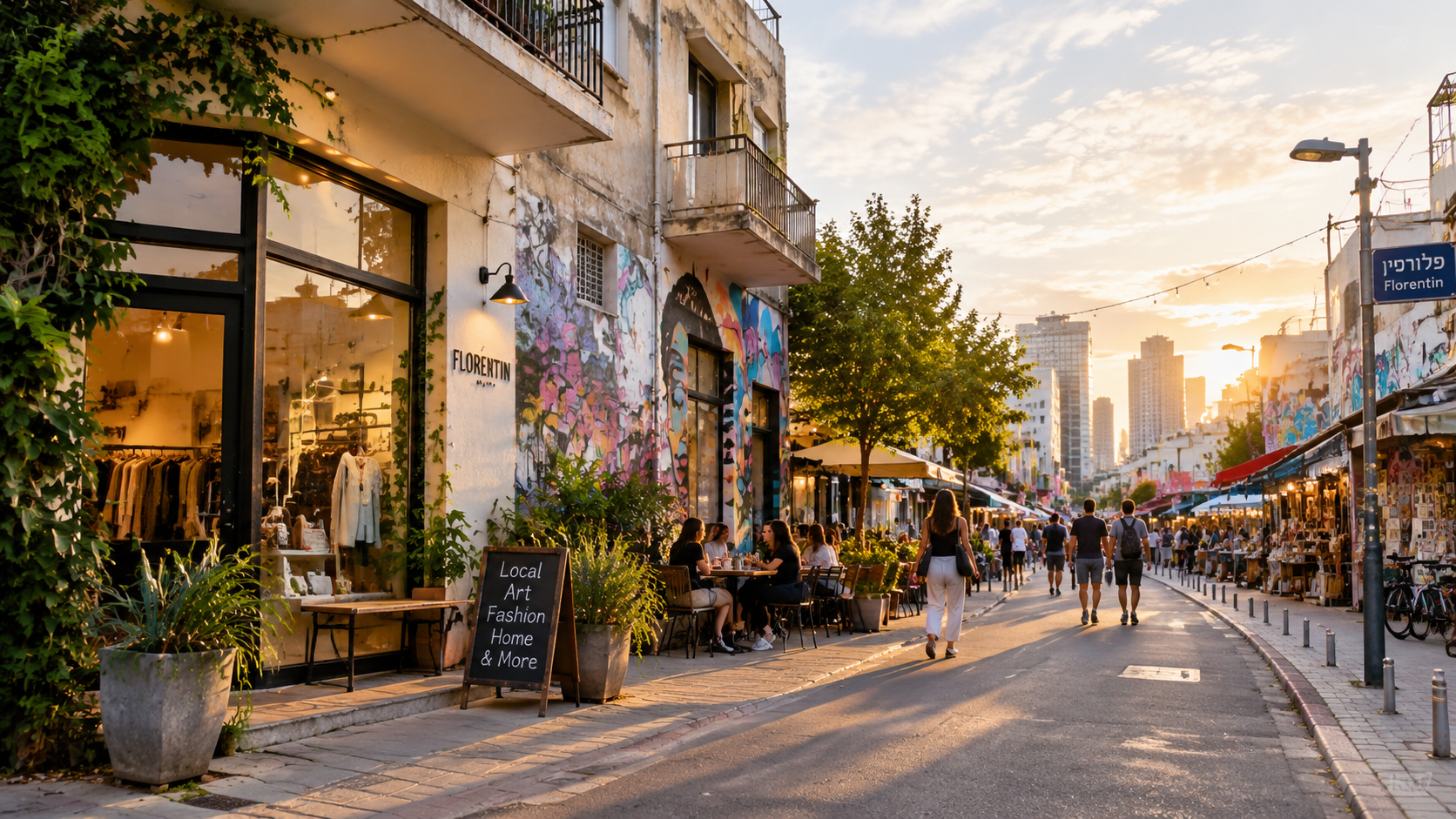
A trendy, artistic neighborhood located adjacent to the market area.
Levinsky Street opened as a provisions corridor in 1933, two blocks inland from the old Jaffa port where Greek and Bulgarian immigrants unloaded sacks of Iranian cardamom, Turkish sumac, and Ethiopian berbere.
Within a decade the narrow pavement held twenty-two spice merchants, six pickle vendors, and a rotating roster of halva artisans who sold from wooden carts each Friday morning. The district survived the 1948 war, the austerity years, and three waves of urban renewal that flattened neighboring quarters, preserving a mercantile vocabulary—sacks stacked to the ceiling, hand-chalked price boards, scales calibrated in rotl—that vanished elsewhere in Tel Aviv during the 1970s.
Today Levinsky Market anchors the city's culinary tourism economy. The original wholesalers remain: Shuk HaCarmel suppliers drive here at dawn for Persian lime powder and Aleppo pepper unavailable in the main bazaar. But the customer base now includes cooking-school instructors, restaurant chefs sourcing za'atar by the kilo, and weekend visitors who arrive for tastings that pair Druze olive oil with Iraqi date syrup. The market operates Monday through Friday and Sunday from nine in the morning until five, closing on Shabbat. Entry to the public lanes costs nothing; guided food tours charge separately and include six to eight stops.
The architecture is prosaic—single-story stucco facades, aluminum shutters, concrete awnings patched with corrugated tin—but the inventory is forensic. One stall stocks fourteen varieties of dried fenugreek; another sells only nuts, arranged by country of origin in forty shallow bins. Halva comes in pistachio, chocolate-orange, vanilla-sesame, and a seasonal saffron variant available October through March. The bakeries flanking the southern entrance produce fresh bourekas hourly, filled with potato, cheese, spinach, or mushroom, and sell them for twelve shekels apiece. Yemenite restaurants on the western edge serve malawach with tomato relish and zhug, a green chili paste ground each morning with coriander, garlic, and cumin. The spice vendors speak Hebrew, Arabic, Russian, and functional English; most offer small samples before purchase.
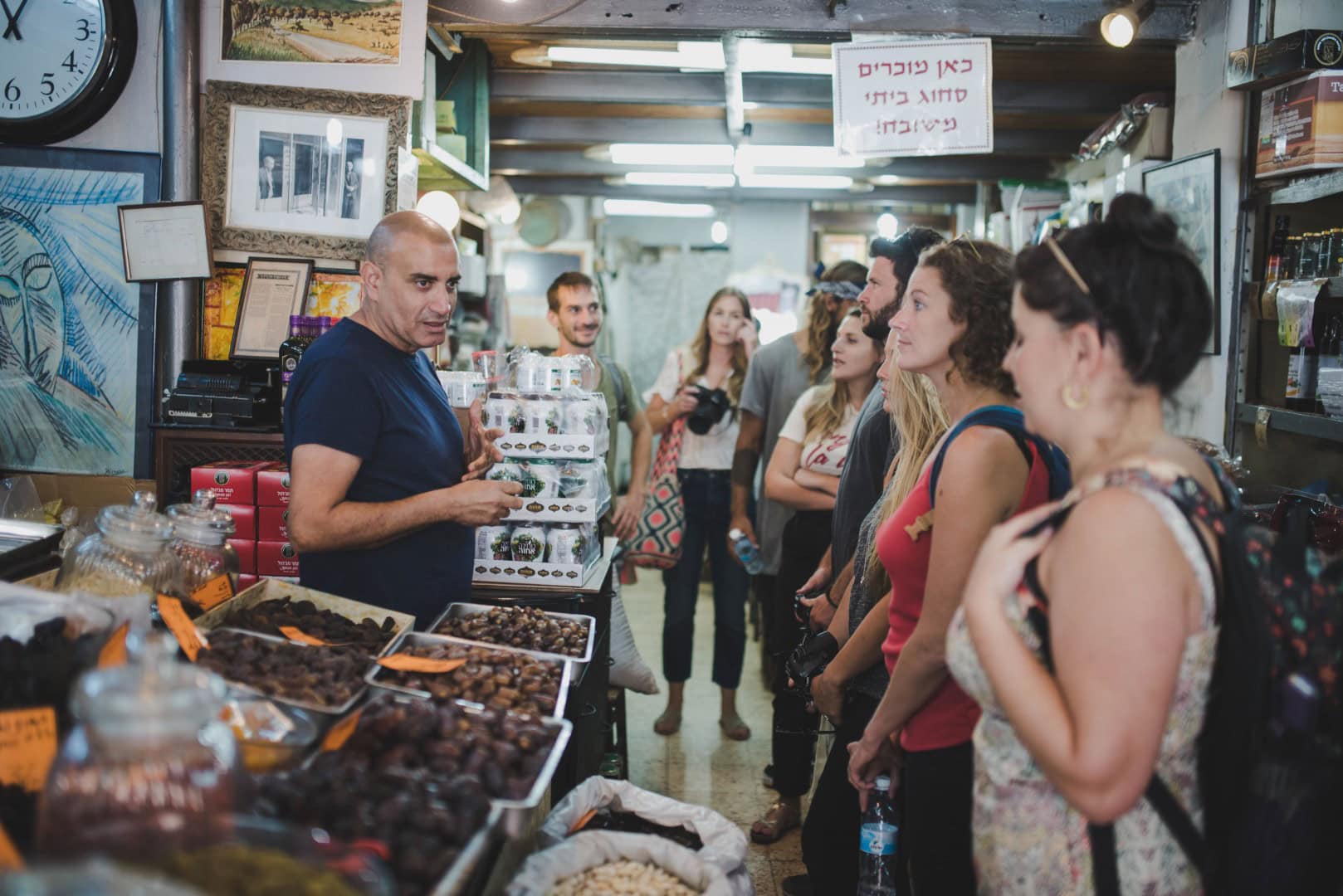
A levinsky market food tour typically begins at the northern end near the intersection with Herzl Street and moves south, pausing at a spice vendor for a tutorial on baharat blends, a halva workshop for tastings, and a pickle specialist who cures twenty varieties of vegetable in brine, vinegar, and lemon. Guides explain the difference between Turkish and Greek coffee roasts, demonstrate how to test tahini quality by color and separation, and identify which dried chilies carry heat above thirty thousand Scoville units. The route covers roughly one kilometer, involves minimal walking, and concludes at a Yemenite canteen where the tour price includes malawach, a pot of black tea, and small bowls of hilbeh, a whipped fenugreek condiment unique to this neighborhood.

"The district survived the 1948 war, the austerity years, and three waves of urban renewal that flattened neighboring quarters."
A step-by-step walkthrough of Levinsky Market Food tickets — what you'll see, how long each stage takes, and the details that matter.
You meet your guide at the northern edge of Levinsky Street, where the scent of roasted cardamom drifts from open storefronts. The first stop is a spice merchant who has operated from the same stall since 1971.
You sample three grades of sumac, compare Iranian saffron threads to the Spanish variant, and learn to distinguish true cinnamon from cassia by breaking a stick and checking the color of the inner bark.
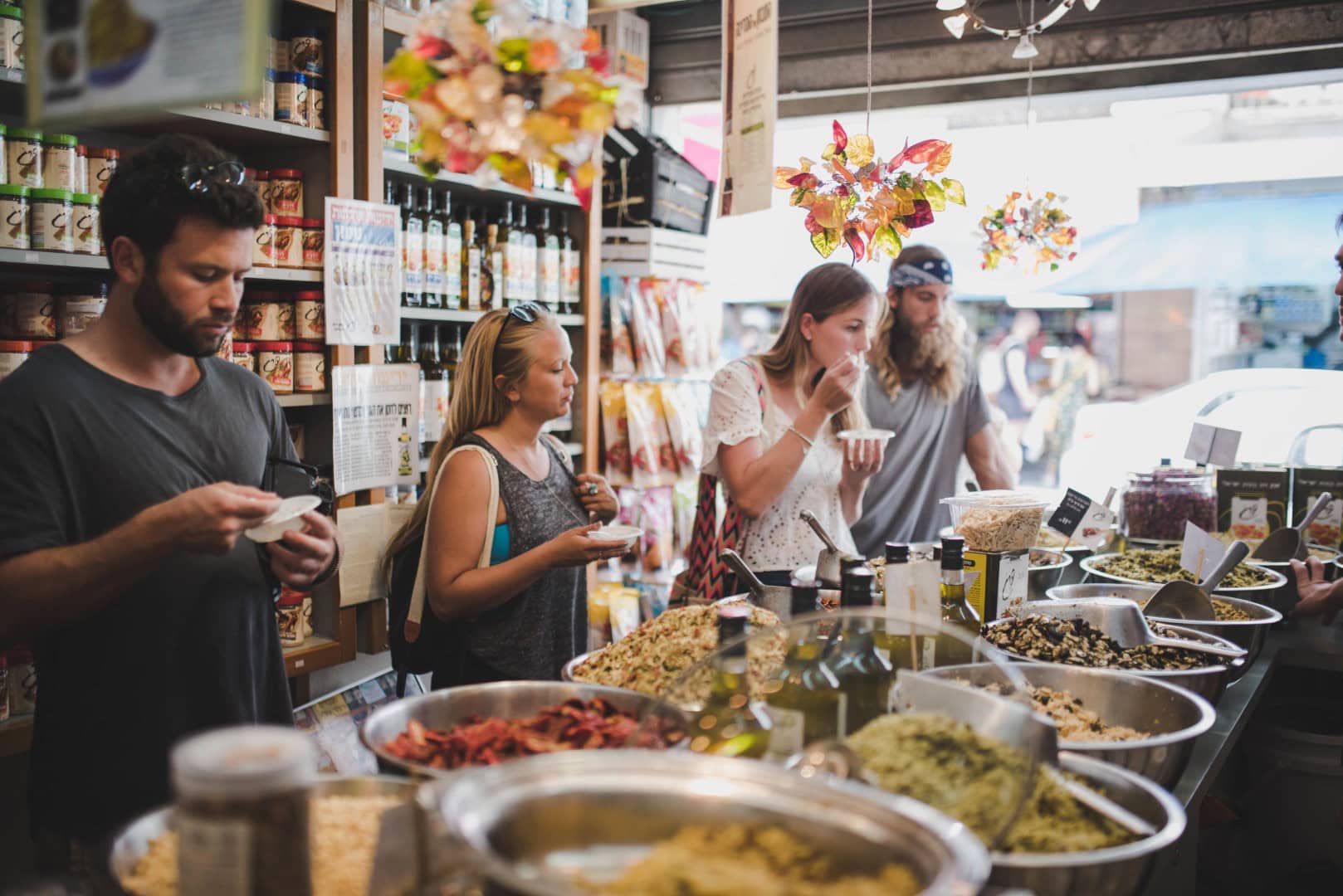
Two blocks south you enter a halva workshop where a copper vat holds sesame paste heated to seventy degrees. The owner slices samples from a pistachio block and a chocolate-marbled slab, then offers a seasonal saffron variety sold only in autumn. Across the lane a pickle vendor lifts lids from ceramic crocks, revealing cucumbers cured in dill brine, turnips stained purple with beet juice, and whole lemons preserved in salt. You taste two, palate reset by a wedge of fresh pita.
The tour continues to a corner bakery where bourekas emerge from a stone oven every twenty minutes. You take one filled with potato and kashkaval cheese, still hot, then walk to a stall that sells only olives—green Souri, black Nabali, cracked Moroccan, and oil-cured varieties from Galilee. The guide points out the grading system chalked on a board above the bins. Your final stop is a Yemenite restaurant with six tables and a kitchen visible through a serving hatch. You sit, and within minutes a server brings malawach, zhug, tomato relish, and a small bowl of hilbeh. The guide explains how fenugreek seeds are soaked overnight, whipped with lemon and garlic, and served as a condiment at every Yemenite table in Tel Aviv.
The market operates 09:00–17:00 from Sunday to Friday and remains closed on Saturday.
Yes, the entrance fee is 0 ILS for the public market area.
The best arrival window is 09:00–11:00, when stalls are freshest before crowds arrive.
There are no security checks as it is a public street market.
The area has uneven pavement, which can make a levinsky market food tour difficult for those with limited mobility.
Bring comfortable walking shoes, cash in ILS, and a reusable bag for your levinsky market food tour items.
Photography is allowed throughout the public space.
You can reach the area via public bus lines or taxi to Levinsky St, Tel Aviv-Yafo.
Yes, families are welcome, though strollers may be difficult to manage during a levinsky market food tour.